HOW THE AROMA OF WAXY WONDER’S SCENTED CANDLES HELPS YOU TO HEEL.

Waxy Wonder’s new range of scented candles will not only burst your mood but also heel you from various problems. They are coming up with 3 amazing flavors of scents with its own unique smell which will help you to heel.

 SOULFUL SANDALWOOD

20200110_230908_0000

In India sandalwood is not only used as a scent but also while worshiping god. It is used It is distributed to devotees, who apply it to their foreheads or necks and chests. This is because sandalwood is used for cooling the body heat. Apart from this it is also used in cosmetics for the same reason.

The soulful sandalwood candles by waxy wonders will be best for humid climate and  it may also heel a person from headache and fever as well, as it can cool down the body temperature by its aroma. It can be also used while meditating.

LUMINOUS LAVENDER

20200110_182042_0000

It helps to relax. You may have heard that breathing in the smell of lavender makes you drowsy; turns out, it’s true. Research shows the scent lowers heart rate and blood pressure, putting you in a relaxed state. To set yourself up for zzz’s.

ROMANTIC ROSE 

20200110_230940_0000

The sweet rose aroma is one of the most used scents in the world. The natural rose smell can make you feel happy and energetic. It may not only heel you from your emotional ups and downs but is also a good mood setter for your perfect date night.


SO PLACE YOUR ORDER BY MESSAGING ON THEIR INSTAGRAM PAGE:

https://instagram.com/waxywonders_?igshid=13atvsc3ar6ff

creative writing- poetry

It was autumn when the unfortunate events took place,
How ironic or should I say metaphoric is it? 
to see your life falling apart in the season known as ‘fall’.
She was getting ready for the dinner,
waiting for her husband’s call,
or probably the honk of his Ferrari to tell her he’s here.
Oh how excited she was, dressed up after so long.
She was about to wear her bindi,
Brought it close to her forehead, 
When she got a call. 
“Your husband died in a fire accident in the office”
Is what the voice on the other end said,
With fire trucks sirens in the background.
World came crashing down on her as she sat on the edge of the bed.
After decades of the accident,
She pours herself a glass of wine, 
thinking of the losses in one night.

Types of Nayikas in kathak

The Ashta-Nayika is a collective name for eight types of nayikas or heroines as classified by Bharata in his Sanskrit treatise on performing arts – Natya Shastra. The eight nayikas represent eight different states (avastha) in relationship to her hero or nayaka. As archetypal states of the romantic heroine, it has been used as theme in Indian painting, literature, sculpture as well as Indian classical dance and music.

As per Ashta Nayika, there are eight nayikas.

# Name Sanskrit name Meaning
1 Vasakasajja Nayika वासकसज्जा नायिका One dressed up for union
2 Virahotkanthita Nayika विरहोत्कंठिता नायिका One distressed by separation
3 Svadhinabhartruka Nayika स्वाधीनभर्तृका नायिका One having her husband in subjection
4 Kalahantarita Nayika कलहांतरिता नायिका One separated by quarrel
5 Khandita Nayika खंडिता नायिका One enraged with her lover
6 Vipralabdha Nayika विप्रलब्धा नायिका One deceived by her lover
7 Proshitabhartruka Nayika प्रोषितभर्तृका नायिका One with a sojourning husband
8 Abhisarika Nayika अभिसारिका नायिका One going to meet her lover

Vasakasajja

Vasakasajja (“one dressed up for union”) or Vasakasajjika is waiting for her lover returning from a long journey. She is depicted in her bed-chamber filled with lotus leaves and garlands. She is dressing herself for the union with her lover and “eager with expectation of love’s pleasure”. Her beauty is compared by Kesavadasa to Rati – the Hindu love goddess, waiting for her husband, the love god Kamadeva. A Vasakasajja sculpture is found in the Lakshmana Temple in Khajuraho and the National Museum, Delhi.

The Ragavibodha associates the raginis Bhupali and Todi with Vasakasajja

Virahotkanthita

Virahotkanthita (“One distressed by separation”) or Utka (as described by Keshavadasa) is the distressed heroine pining for her lover, who, due to his preoccupation, fails to return home. She is depicted waiting for him, sitting or standing on a bed or out in the pavilion.

The Ragavibodha identifies the raginis Mukhari, Pauravi and Turushkatodi with the Virahotkanthita, while the Sangitadarpana names Patamanjari in this category.

Svadhinabhartruka

Kalahantarita refusing advances of a lover

Svadhinabhartruka (“one having her husband in subjection”) or Svadhinapatika(as named by Keshavadasa) is the woman who is loved by her husband and controls him. He is subjugated by her intense love and pleasing qualities.He is devoted and faithful to her  In paintings, this nayika is depicted with a nayaka, who applies mahawar on her feet or a vermilion tilak (mark) on her forehead. In Jayadeva’s Gita Govinda as well as in the poem Kuru Yadunandana, Radha is portrayed as a Svadhinabhartruka. In the latter, Radha commands her lover, the god Krishna, to rearrange her makeup which is in disarray due to their fierce coitus.

Many raginis like Malashri, Travanika, Ramakriti, Jaitashri and Purvi are associated with Svadhinabhartruka

Kalahantarita

Kalahantarita (“one separated by quarrel”) or Abhisandhita (as named by Keshavadasa) is a heroine separated from her lover due to a quarrel or jealousy or her own arrogance. Her lover is usually depicted leaving her apartment disheartened, while she too becomes heartsick and repentant without him.In other portrayals, she is depicted refusing the advances of her lover or refusing a wine cup from him. In Gita Govinda, Radha is also portrayed as Kalahantarita in an instance.

Khandita

Khandita rebuking her lover.

Khandita (“one enraged with her lover”) is an enraged heroine, whose lover had promised her to spend the night with her, but instead comes to her house the next morning after spending the night with another woman. She is depicted offended, rebuking her lover for his infidelity.

In the Sangitadarpana, the ragini Varati represents the Khandita Nayika.

Vipralabdha

Vipralabdha (“one deceived by her lover”) , is a deceived heroine,who waited for her lover the whole night. She is depicted throwing away her jewellery as her lover did not keep his promise.This happens when a lover meets a Khandita and promises a tryst and breaks his promise.

The Sangitadarpana associates Vipralabdha with the ragini Bhupali. However, the Ragavibodha presents the raginis Varati and Velavati as Vipralabdhas.

Proshitabhartruka

Proshita-patika mourning.

Proshitabhartruka (“one with a sojourning husband”) or Proshitapatika (as named by Keshavadasa) is the woman whose husband has gone away from her for some business and does not return on the appointed day. She is depicted seated mourning, surrounded by her maids, but refusing to be consoled.

The Ragavibodha describes the raginis Dhanashri and Kamodi as Proshitabhartrukas.

Abhisarika

Abhisarika (“one who moves”) is a heroine, who sets aside her modesty and moves out of her home to secretly meet her lover. She is depicted at the door of her house and on her way to the tryst, defying all kinds of difficulties like the storm, snakes and dangers of the forest. In art, Abhisarika is portrayed often in hurry towards her destination.

The raginis Bahuli and Saurashtri are described having the traits of the daring Abhisarika

famous personalities in kathak

here are some famous personalities in kathak who have helped kathak to grow. They also have contributed a lot in the field of kathak

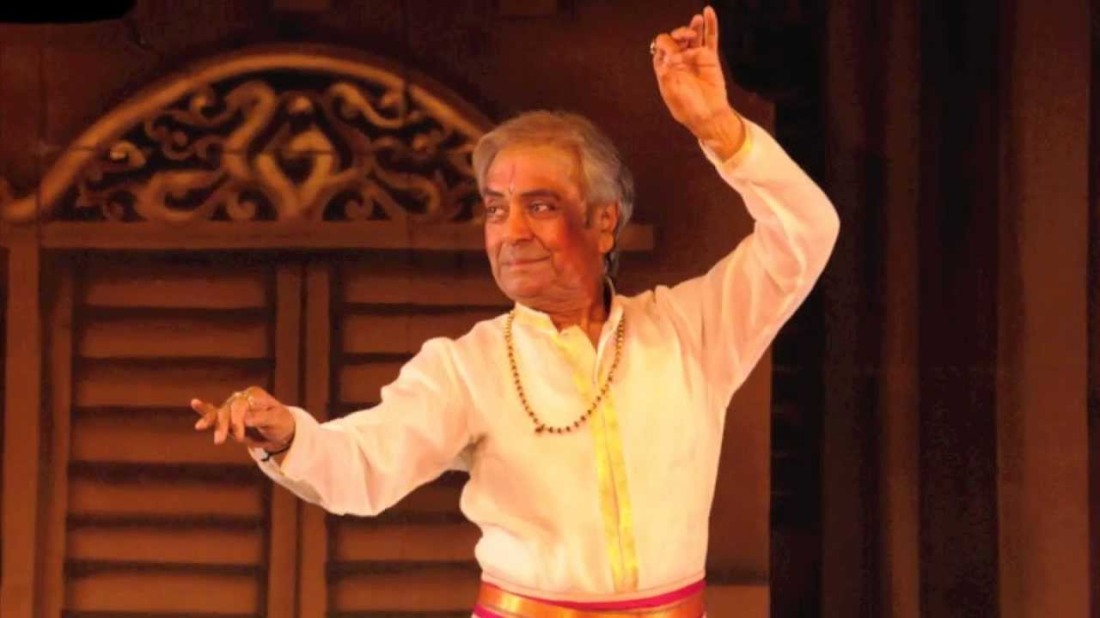
Birju Maharaj

maxresdefault

Birju Maharaj is a leading exponent and torch-bearer of Kathak dance form. He is the only son and disciple of Shri Achhan Maharaj and a familiar face of Indian Kathak dance all over the world. He has performed in several countries. He is a wonderful singer with a strong grip over, Thumri, Dadra, Bhajan and Ghazals. He gave his first performance at the age of seven. Pandit Birju Maharaj is not only a Kathak dancer but also a sensitive poet and captivating orator.

His constant attempt to take Kathak to a whole new level fructified when he managed to make people take note of this dance form, not only in India but in the western countries as well. Introduced to Kathak at a very young age, Birju went on to master the nuances of arguably one of the most difficult classical dances of India. Known for his facial expressions and nimble feet movements, Pandit Birju Maharaj is considered as the epitome of Kathak by many.


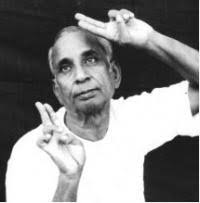
Shambhu Maharaj

index.jpg

Pandit Shambhu Maharaj (1910 – 4 November 1970) was a celebrated Guru of the Lucknow Gharana (school) of the Indian classical dance form, Kathak.

Shambhu Maharaj was born in Lucknow as Shambhunath Mishra. He was the youngest son of Kalka Prasad Maharaj who was at the court of the last Mughal ruler, the Nawab of Awadh Wajid Ali Shah. Kalka Prasad’s father was Thakur Prasad was known to have taught the intricacies of Kathak to the Nawab. While reporting Shambhu’s death in 1970, The Indian Express wrote, “The Kathak, as we know it today, can be wholly traced to this dilettante’s patronage and the body of work written at his court court for this mode of dance.” Shambhu received his training from his father, uncle Bindadin Maharaj and his eldest brother Achchan Maharaj. Dancer Lacchu Maharaj was also another his older brothers. He learned Hindustani classical music from Ustad Rahimuddin Khan.In 1952, he joined the Bharatiya Kala Kendra (later, Kathak Kendra), New Delhi. He became the head of the Dance (Kathak) department. He was honoured with the Sangeet Natak Akademi Fellowship in 1967 and the Padmashri in 1956.


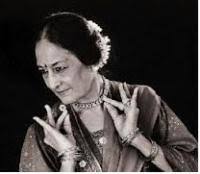
Rohini Bhate

rohini bhate

Rohini Bhate  (14 November 1924 – 10 October 2008) was among the senior most Kathak dance exponents in India, who developed as a performer, teacher, writer, researcher and critic this Indian classical dance. During her career, she was awarded with several recognitions, such as the Sangeet Natak Akademi Award, and the Kalidas Samman.

Rohini studied Kathak from Jaipur and Lucknow gharanas. She created a large corpus of dance compositions, where she applyied an analytical and innovative approach to abhinaya. Due to her knowledge in Hindustani classical music, she often composed the music for her dance creations. According to the critic Sunil Kothari, her choreography for Shakuntala, directed by Vijaya Mehta, is noteworthy. Her choreography of Kālidāsa’s Ṛtusaṃhāra and Usba Sukta from Rigveda was also well acclaimed.


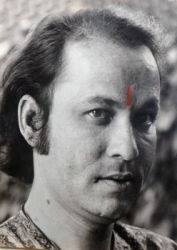
Durga Lal

Index: Kathak Exponent Pandit Durgalal Ji

Pandit Durga Lal (1948 – 21 Jan 1990) was a renowned Kathak dancer of the Jaipur Gharana. He was born in Mahendragarh, Rajasthan. He is known for playing the title main role in the 1989 dance drama Ghanashyam; the music of which was composed by Pandit Ravi Shankar and was produced by Birmingham Opera Company. For his contributions to the field of Kathak form of dance he was awarded Padma Shri, the fourth highest civilian award, by Government of India. He had also received the Sangeet Natak Akademi Award for the year 1984.

Lal was a disciple of Sunder Prasadji. Along with being a Kathak dancer he was also a singer and would play Pakhvaj. He taught Kathak at the National Institute of Kathak Dance (Kathak Kendra), New Delhi. Lal’s brother Pandit Devi Lal was also a renowned Kathak dancer. Devi Lal’s wife Gitanjali Lal is also a Sangeet Natak Akademi Award winner (2007).both brothers died at an early age. After Durga Lal’s death his children and other art fraternity members have been organising an annual festival called Pandit Durga Lal Memorial Festival. He has two children, elder daughter Nupur and younger son Mohit. Nupur is Kathak performer and vocalist and Mohit is a percussionist. His disciples include renowned dancers Uma Dogra, Jayant Kastuar and Mangala Bhatt amongst others. Nighat Chaodhry is Pandit Lal’s notable student in Pakistan. In memory of Lal, Dogra has arranged the “Pandit Durga Lal Samaroh” for more than 15 years as of 2005. She has also made a documentary Nirvana Through Dance on him. Mangala Bhatt through her dance school Aakruti Kathak Kendra organises “Antarang” every year in memory of Pt.Durga Lal.

creative writing- taglines

th.jpg

puma- run with light feet
L’oreal– shine black
jk super tyers– The street is full of idiots
suhana masala– maa ki maamta
coca cola– the drink young India wants


amul.jpg

  • Ghee se pehle Amul khake Dekho.
  • Amul butter can change your life.
  • Healthy rehna he? toh Amul butter Khao.
  • Amul he tasty Amul he best.
  • “Amul” not only gives your food good taste but also keeps us healthy.

Mudras used in kathak while dancing and its meaning

Hand mudras (hasta mudra) are the most important part of dancing in kathak. It makes the story easy to understand. Today we are going to learn about various dance mudras in kathak and its meaning.


Their are 2 types of hasta mudras :  samyukt ( double handed ) and asamyukt (single handed).


Asamyutha Hastas: The One- Handed Gestures

There are 28 Asamyutha hastas
Picture

Hasta Meaning How to
Pathakam Flag/creeper Pathakam is done with all fingers held straight like the Stop sign. There should be no gap between the fingers.
Tripathakam 3 parts of a flag/ In this Mudra all the fingers are held straight and close together like the stop sign except for the ring finger which is bent.
Ardhapathakam 2 parts of a flag/ It is done by bending the little finger after doing the Tripataka.
Kartarimukham Scissors/ Tongs Mudra is done when the little finger and the ring finger is bent and pressed against the thumb. While the index finger and the Middle finger is stretched to show a scissor.
Mayuram Peacock The ring finger and the tip of the thumb touch each other while the other fingers are held straight without any gap.
Ardhachandran Half Moon All the finger are held straight and together except the thumb finger which is held apart. It is just like the Pataka gesture but the thumb finger is held straight and not bent like in Pataka.
Aralam Petal/ bent It is done when the Index finger is bent while doing the Pataka Mudra. Here the index finger is bent along with the thumb while the other fingers are held straight.
Shukathundam Parrot’s beak When the Ring finger of the Arala mudra is bent we get Shukatunda Hasta.
Mushti Fist When the four fingers are pressed closely against the palm while the thumb is held tightly between the palm and the other four fingers.The thumb can also be placed on the four fingers
Shikaram The pinnacle/ top Here all the fingers are bent and pressed against the Palm except the thumb. The thumb is raised and held erect. (like the thumbs-up Sign)
Kapitam Wood apple While doing Shikhara mudra bending the pointer finger and pressing it over the thumb is the Kapitta mudra.
Katakamukham bracelet/link Katakamukha means “Opening in a Bracelet”. Its done by bringing together the index finger middle finger and thumb. The ring finger and the little finger are raised at angles as shown.
soochi needle The Middle finger Ring finger and Little finger is pressed against the thumb while the forefinger is held straight.
Chandrakala Full moon Chandrakala means Digit of the Moon. Release the thumb in Suchi Mudra and hold it straight
Padmakosam Lotus Bud All the fingers are stretched and slightly brought closer to form Padmakosha.
Sarpasirsham Hood of Cobra When the Hand is held in Pataka Mudra and the fingers are bend from the tip to form a hollowed palm we get Sarpashirsha Mudra.
Mrigaseerisham Deer’s head Fingers are bent from the knuckles except for the little finger and the thumb which is held straight
Simhamukham Lion’s face When the middle finger and the ring finger press against the thumb while the other fingers are held straight we get the Simhamukha Hasta.
Kangulam  small bell The ring finger in bent while the other fingers are stretched out.
Alapadmam Fully Bloomed Lotus Here the fingers are held in such a manner as if to ask “why”. The little finger points up and thereafter the other fingers follow.
Chaturam 4 sides square When the thumb in Mrigashirsa mudra is held at the base of the Index middle and ring finger we get the Chatura Hasta.
Bramharam Bee When the Index finger in the Katakamukha mudra is curled and placed in between the middle finger and the thumb we get the Bhramara mudra.
Hamsasyam Swan’s bill the Thumb and the Index finger touch each other at the tips while the other fingers are straight separated and stretched.
Hamsapakshakam The swan Similar to mrigasirsha but thumb is also bent.
Sandamsham Tongs/twinkle Sandamsha involves closing and opening of fingers.
Mukulam bud When all the five finger are brought together and touch each other at the tip.
Tamarachooda rooster When the Index finger of the Suchi Mudra is bent we get the Tamrachuda hasta.
Trishoolam Trident When the Thumb and the little finger are bent or meet each other while the Index Middle and the ring finger are held straight. This Gesture looks like the weapon Trishula.
Pathaakas tripatako ardhapatakaha kartarimukhaha
Mayuraasyo ardhachandrashcha araala shukatundakaha
Mushtishcha shikaraakhyashcha kapittha katakamukhaha
Suchi chandrakala padmakosha sarpashirastatha
Mrigashirsha simhamukhaha kangulo alapadmakaha
Chaturo bramarashchaiva hamsaasyo hamsapakshakaha
Samdamsho mukulashchaiva tamrachuda trishulakaha
Ityasamyutahasta hastaanaam ashtavinshatiririta

Samyutha Hasta

Samyutha Hastas are also called as Double hand gestures or Combined hand gestures. Unlike Asamyutha hastas, these gestures require use of both the palms to convey the message or a particular meaning.

Picture

Mudra Meaning How to
Anjali Salutation to pray greet When both the palms in Pataka are joined together we get the Anjali Mudra. In fact in the Indian culture this Mudra is very often used for greeting people.
Kapotham dove When the Anjali Mudra is slightly bulging at the knuckles of the palm we get the Kapota Hasta. In this gesture the palms touch each other only at the Tips and the base of the palm.
karkatam Twist stretch Here the fingers of both the hands are interlocked with each other.
Swastikam crossed We get the swastika pose when both the palms in pataka are crossed at the wrists.
Dola Walking gait When the pataka hasta is placed to the sides of the thigh we get the Dola hasta.
Pushpaputam Offer flowers When both the Palms are joined together at the little finger and slightly hollow at the centre of the Palms. The inner palm facing up.
Utsangam shoulders When the right and left palms touches the left and right shoulder respectively in Mrigashirsha mudra we get the Utsanga hasta.
Shivalingam Shiva Linga Hold Ardhacandra in the left hand palm facing up. Hold shikhara in the right hand and place it on the left hand.
katakaavardanam coronation When both the hands are crossed in Katakamukha Mudra we get Katakavardhana hasta.
Karthariswastikam Denotes palace hills trees When both the hands are crossed in Kartarimukha Mudra we get the Kartariswastika Hasta.
shakatam demon When the Bhramara hasta is held in both hands near sides of cheek we get the Shakata Hasta.
Shanka Conch Hold the thumb of your left hand with the forefingers of right hand in Shikhara hasta. Touch the right thumb to the left palms middle finger.
Chakram Chakra/wheel/disc When the Palms in Ardhachandra mudra touch each other vertically and horizontally we get the Chakra Mudra. The right palm is vertically held and the left palm is horizontally placed over the it.
Samputam Denotes a box When the fingers in Chakra hasta are bent in such a way that there is a hollow at the center of the palm we get the Samputa Hasta.
Paasha Paasha – quarrel/fight Paasha – When the both the hands in Tamrachuda are interlocked with one another we get the Pasha hasta.
Kilakam Kilakam – Love/friendship Kilakam – When both the little fingers interlock each other we get the Kilaka Hasta.
Matsya Fish When the right palm is placed over the back of left palm both palm being in Ardhachandra hasta.
Kurma Tortoise While the hands are in chakra hasta bend all the fingers (except the thumb and the little fingers) and hold the palms tight.
Varaha Boar When both hands in Mrigashirsha hasta and the left palm is placed over the right palm we get the Varaha hasta.
Garuda Vishnu’s vehicle/eagle When both the hands in Ardhachandra hasta are placed over one another and only the Thumbs are interlocked we get the Garuda hasta.
Naagabandaka Snakes twisting and coiling When both hands held in sarpashirsha hasta is crossed at the wrists we get the Nagabandha hand gesture.
Katva bed When the ring finger and the middle finger of both hands are placed one over the other and the Index finger and the little fingers point downwards we get the Khatava hasta.
Berunda Pair of birds When hands in Kapitta hasta is held crossed at the wrists we get the Bhairunda hasta.
Avahitha Two lotuses When both hands held in Alapadma hasta are crossed at the wrists and placed near the chest we get the Avahitta hand gesture.


History of Kathak Dance.

kathak

The word kathak is originated from the word “katha” which means story . The origin of Kathak is traditionally attributed to the traveling bards of ancient northern India known as Kathakars or storytellers.  Kathak dancers tell various stories through their hand movements and footwork, but most importantly through their facial expressions. Kathak evolved during the Bhakti movement, particularly by incorporating the childhood and stories of the Hindu god Krishna, as well as independently in the courts of north Indian kingdoms.Kathak as a performance art survived and thrived as an oral tradition, learnt and innovated from one generation to another verbally and through practice. It transitioned, adapted and integrated the tastes of the Mughal courts in the 16th and 17th century particularly Akbar, was ridiculed and declined in the colonial British era, then was reborn as India gained independence and sought to rediscover its ancient roots and a sense of national identity through the arts. According to Mary Snodgrass, the Kathak tradition of India is traceable to 400 BCE. The earliest surviving text with Kathak roots is the Natya Shastra, attributed to sage Bharata, and its first complete compilation is dated to between 200 BCE and 200 CE, but estimates vary between 500 BCE and 500 CE.


Bhakti movement era

images (1)

Textual studies suggest that “Kathak” as a classical dance form likely started in Banares (Varanasi) and from there migrated northwest to Lucknow, Jaipur and other parts of north and northwest India. The Lucknow tradition of Kathak dance attributes the style to a Bhakti movement devotee named Ishwari from the Handia village in Allahabad, Uttar Pradesh, who credited Hindu god Krishna appearing in his dream and asking him to develop “dance as a form of worship”. Ishwari taught his descendants, who in turn preserved the learning and developments through an oral tradition over six generations ultimately yielding the Lucknow version of the Kathak dance – a family tree that is acknowledged in both Hindu and Muslim music-related Indian literature.

The evolution in Kathak dance theme during the Bhakti movement centered primarily around divine Krishna, his lover Radha and milkmaids (gopis) – around legends and texts such as the Bhagavata Purana found in the Vaishnavism tradition of Hinduism. The love between Radha and Krishna became symbolism for the love between Atman (soul within) and the supreme source (Cosmic soul everywhere), a theme that dance ballet and mimetic plays of Kathak artists expressed.


Mughal era

images (3)

The Mughal era courts and nobles accepted Kathak as a form of aristocratic entertainment, which low income families were willing to provide. However, the dance became more abstract and erotic, less as a means of communication of spiritual or religious ideas, and in cases the dancers innovated by emphasizing the eroticism and sexuality the Muslim audience wanted while keeping the message such as those of Krishna-Radha embedded in the dance.


British Raj era

download

With the spread of colonial British rule in the 19th century India, Kathak along with all other classical dance forms were discouraged and it severely declined. This was in part the result of the Victorian morality of sexual repressiveness along with Anglican missionaries who criticized Hinduism. Reverend James Long, for example, proposed that Kathak dancers should forget ancient Indian tales and Hindu legends, and substitute them with European legends and Christian tales. Missionaries recorded their frustration in Church Missionary Review when they saw Hindu audiences applaud and shout “Ram, Ram” during Kathak performances.

Kathak art alive as an oral tradition. Kathak teachers also shifted to training boys to preserve the tradition, as most of the 20th-century ridicule had been directed at Kathak “nautch girls”.

Kathak was brought to the attention of audiences outside India in the early 20th century through Kalkaprasad Maharaj.

creative writing- radio script

00:50 mins Nestaway ad

Moving to a different state is hard. But finding a rented apartment of your liking? Not so hard anymore! Har kisi ke pasand ke liye har taraf ka room milega yaha! Aur deposit ka tension bhul jao! Nestaway pe pao rented apartments bina security deposit! Ab ghar rent karna hogaya hai bilkul sasta aur aasan! Log on to Nestaway.com for affordable rented apartments!

01:30 mins Introduction

Good evening guys!!! Its Friday evening at the start of your long waited weekend! We know you are in a jolly mood and our program aims at doubling your happiness!

TOMORROW IS 5TH SEPTEMBER, TEACHERS DAY!

Here, with us we have Mr. Praksah Dev, who has taught CHESS to DUMB STUDENTS… Yes, YOU HEARD IT RIGHT! So today we will have a talk with him about his journey and his message to the generation. Sir, our listeners will love to know how you started with this good deed and how did it all reach such great heights!

Prakash Dev: It all started with the will to make a change in the society and do something for the special kids of our society. These kids are treated differently because of their disability but they are as good as you and me at almost everything! And I wanted the world to know! So with a lot of hard work and patience we have made it happen at last!

R.J. Munni: That’s very inspiring! Thanks for Sharing the amazing experience with our listeners! We also have 2 lucky callers who get a chance to talk to him!

Before that, we have a song here! And this song is sent by those dumb students as a token

of thanks for their GURU.

01:00 mins Plays ‘GYAN KA DAAN HI’, by Lata Mangeshkar.

03:30 mins Talk

Ya so we are back. Prakash Ji, we have our first caller on line! Hello?

Caller 1: Namaste Sir. Ahana this side .Happy Teachers Day in Advance! I wanted to know the secret behind having this hobby of accepting the challenge to teach young deaf generation and help them to earn a medal for the nation.

Answer: Ahana , heartiest thanks for your compliments. The secret is not a secret but my dream. Because even i was deaf and blind in childhood and i was looked upon as disabled But i was cured by an operation and i decided. To make the disabled, differently-able. So i am here. With my chess kids!

RJ MUNNI: This is the spirit. Lets have a small jingle here written by one of his

student.

“Teachers are blessings in disguise,

The ones we get without paying any price.

To be an amateur or professional is our choice, but sir,

today you have given us our voice

“Teachers are blessings in disguise,

The ones we get without paying any price.’’

RJ MUNNI: Thankyou. Here we have our 2nd lucky caller, Amita Singh. Well Amita ,       what is your question?

Caller 2: Hello madam. Hello prakash sir. Actually I do not have a question but gratitude.  Your student, vijay, is my son. He stays there alone in mumbai and maybe could not           thank you whole heartedly, but on behalf of my son, who has won laurels because of your support, I THANK YOU! Answer: Well madam, its my pleasure to have such a student. he is indeed brilliant and will earn good reputation one fine day. R.J MUNNI: This is going so good… but its time for a fare well now! Sayonara listeners! Tomorrow we all will meet again, same time, same channel! Thank you Prakash Sir for coming here and making our teacher’s day special!

00:30 mins Coca Cola ad

Tere naam ki Coca Cola! Har rishtey ke liye Coca Cola hai toh Teacher’s day ke liye Teacher ke naam ki Coca Cola kyu nahi? This Teacher’s Day open a bottle of Coke with your favorite Teacher for the special bond that you share! Coca Cola : Open Happiness!

02:24 mins Song- Masti ki Pathshala by A.R. Rehman.

00:40 mins Gowardhan Ghee Ad

Tyohar me banai hue mithey me voh baat nahi hai jo gharpe Maa ke hath ke mithey me thi. Ghee ho toh Ghar jaisa. Ab ghar jaisa swad har mithey me! Gowardhan ghee hai asli ghee! Har khushi ke mauke ke liye hai Gowardhan Ghee!  Gowardhan ghee : Baat hai Khushi ki!